The Essential Guide to Choosing the Right Wooden Pallet Supplier
Intro
In today's busy supply chain and logistics landscape, wooden pallets stand as a crucial component for storage, transport, and distribution of products. They use toughness, sustainability, and ease of handling, making them a favored choice in various industries. However, the quality of wooden pallets mostly depends upon the supplier from whom they are procured. agronytradingllc into the intricacies of selecting the right wooden pallet supplier, consisting of the functions to think about, prospective advantages, and a thorough FAQ area.
Comprehending Wooden Pallets
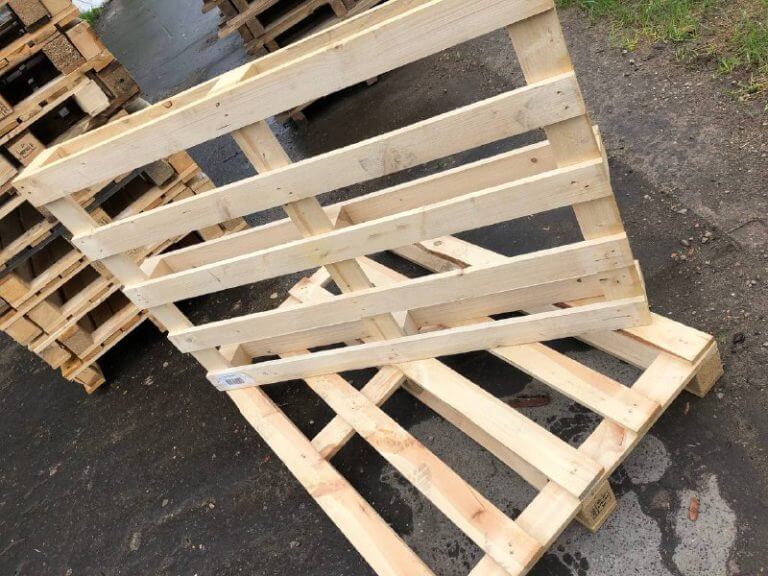
Wooden pallets are flat transport structures that support products in a steady style while being moved by forklifts, pallet jacks, or other jacking devices. They are normally made from different types of wood, including softwood and hardwood.
Types of Wooden Pallets
Here is a brief overview of the most common types of wooden pallets:
| Type of Pallet | Description | Advantages |
|---|---|---|
| Stringer Pallet | Made up of three or more parallel boards (stringers) with deck boards on top | Cost-effective and easily repairable |
| Block Pallet | Functions blocks at each corner, permitting entry from any side | More resilient and flexible in dealing with |
| Weighted Pallet | Boosted strength created for high-load applications | Perfect for heavy equipment and equipment |
| Euro Pallet | Standardized pallets following European Union requirements | Compatibility with worldwide shipping standards |
Factors to Consider When Choosing a Wooden Pallet Supplier
Picking a wooden pallet supplier is not merely about finding the least expensive price. Quality, reliability, and service are critical elements that ought to be assessed. Here are some important considerations:
1. Quality of Materials
Not all wooden pallets are produced equal. Providers who utilize premium wood make sure toughness and strength. Always ask about the source of their wood and whether it fulfills industry standards.
2. Modification Options
Various services have differing requirements. An excellent supplier must offer personalization choices to accommodate the distinct requirements of your business, such as size, style, and load capability.
3. Compliance with Standards
Ensure that the supplier adheres to the market requirements set by organizations such as ISPM-15, which governs the treatment of wood packaging materials to prevent insect problems.
4. Sustainability Practices
With increasing ecological concerns, choosing a supplier that practices sustainable forestry and responsible sourcing is important. Not only is this better for the environment, but it can likewise improve your brand's image.
5. Rate and Payment Terms
While quality is vital, rates can not be disregarded. Compare rates throughout different providers, however beware of uncommonly low prices that may suggest inferior quality. In addition, clarify payment terms before committing.
6. Client Service and Support
A trusted supplier must offer outstanding customer care. This includes prompt interaction, assistance for emergencies, and assistance with returns or refunds if required.
7. Delivery Timeframes
Think about the supplier's preparations for shipments. In the logistics market, timely delivery can be the difference between a smooth operation and expensive hold-ups.
8. Reputation and Reviews
Research the supplier's credibility. Look for customer evaluations and reviews to acquire insights into their dependability and product quality.
Advantages of Partnering with a Quality Wooden Pallet Supplier
Choosing a trusted wooden pallet supplier includes numerous benefits:
- Reliability: You can rely on that your pallets will arrive on time and in the expected condition.
- Cost-Effectiveness: Quality pallets last longer, which can conserve your organization cash in the long run.
- Improved Safety: High-quality pallets minimize the threat of accidents triggered by pallet failure.
- Much better Sustainability: With many business placing focus on sustainability, working with suppliers who prioritize accountable sourcing can boost your organization's ecological profile.
- Enhanced Logistics: Efficient pallet use simplifies logistics procedures, reducing transit times and enhancing total supply chain management.
Frequently Asked Questions (FAQs)
Q1: What kinds of industries normally use wooden pallets?
A1: Wooden pallets are widely used in numerous markets, including production, retail, food and beverage, pharmaceuticals, and logistics.
Q2: Are wooden pallets reusable?
A2: Yes, wooden pallets can often be reused a number of times, depending upon their condition and how they are handled.
Q3: What is the standard size of a wooden pallet?
A3: The most common size is the 48x40 inch pallet, particularly in North America, however sizes can vary internationally based on local standards.
Q4: How do I know if a wooden pallet is safe to use?
A4: Inspect the pallet for any signs of damage (such as damaged boards or protruding nails). Pallets need to likewise have the ISPM-15 mark if used for global shipping.
Q5: How do I pick between new and used pallets?
A5: If you prioritize quality and security, new pallets are the better option. Nevertheless, used pallets can be a cost-effective option if they remain in good condition.
Q6: Can I customize my wooden pallets?
A6: Yes, numerous suppliers provide personalization alternatives to fulfill specific company requirements, including size, weight capacity, and branding.
Choosing the right wooden pallet supplier can substantially impact your business operations. From guaranteeing product safety and sturdiness to boosting supply chain efficiency, the best partner can result in long-term benefits. By considering the aspects laid out in this guide and asking the best questions, businesses can make informed decisions and enjoy a reputable supply of wooden pallets that fulfill their unique needs. In an ever-competitive landscape, investing time and effort into picking the ideal supplier is essential for sustainable success.